Salon • Inspiration
How Stylists Can Help Their Clients With Postpartum Hair Loss
How Stylists Can Help Their Clients With Postpartum Hair Loss
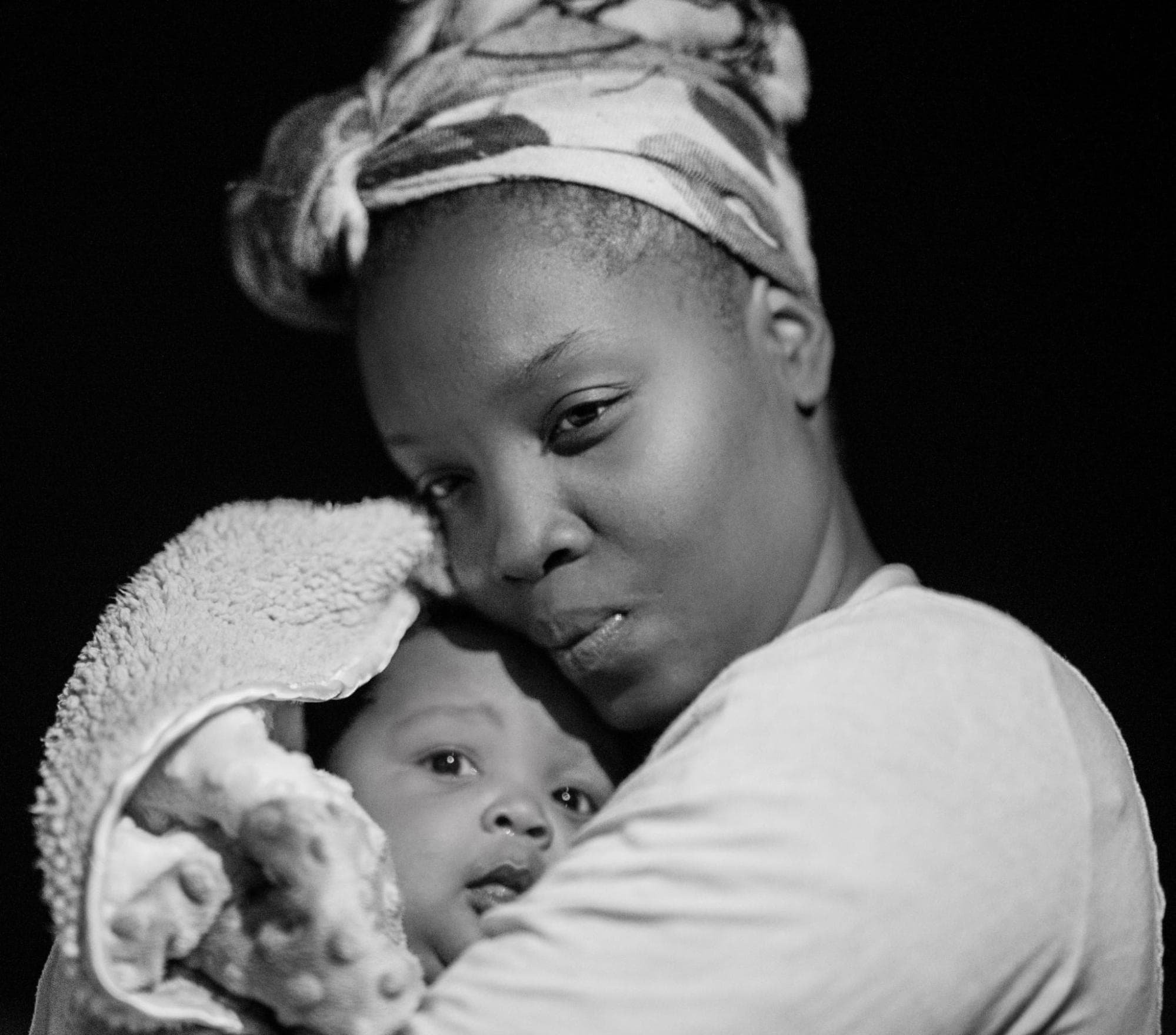
Stylists know better than most how much hair can shape a person’s sense of self. They see the way a new cut can change someone’s attitude, or how refreshed color can make a client feel like themselves again. So when hair falls out after pregnancy, people who already feel vulnerable often feel even further from themselves.
Postpartum hair loss is common, but it can still catch people off guard. Many of them turn to their stylist for help first. Knowing how to respond with care can make the whole experience feel less overwhelming and help clients process the journey.
In this article, we’ll look at what causes postpartum hair loss, when to recommend medical support, and how stylists can help clients feel more comfortable with their strands in the meantime. Plus, we’ll explore how Boulevard’s client management tools empower stronger relationships and personalized support.
When Does Postpartum Hair Loss Start and What Are the Causes?
Postpartum hair loss is a kind of hair loss (also known as telogen effluvium) caused by estrogen levels dropping back to prenatal levels following childbirth. During pregnancy, drastic hormonal changes cause hair follicles to enter a prolonged growth phase. The similarly dramatic return to prenatal estrogen levels after birth “unpauses” the hair growth cycle, causing all those follicles to shed at once.
Hair shedding typically starts around three months after childbirth. How much a person sheds and how long it lasts varies depending on their hormone levels, genetics, and whether they breastfeed.
In most cases, clients wondering how long postpartum hair loss lasts can expect shedding to continue for three to nine months as estrogen levels shift and the hair growth cycle continues where it left off. Postpartum hair loss stops when hormone levels stabilize, and the hair growth cycle continues, typically between months six and 12 after giving birth.
It’s important to note that hair loss doesn’t stop all at once. Most clients will notice the hair loss gradually slowing before new growth becomes more visible.
What’s Normal and When to Refer a Client to a Doctor
Postpartum hair loss usually appears as thinning hair density rather than bald patches, and might appear at first as a wider part or a smaller ponytail.
When hair loss lasts beyond 12 months post-pregnancy with no sign of postpartum hair regrowth, it’s a good idea to refer clients to a dermatologist or medical professional. Likewise, itchy, painful, or inflamed scalps are symptoms that indicate the client should immediately be seen by a licensed medical professional to rule out new allergies or more serious conditions.
However, stylists aren’t medical providers, and salons need to understand their role in clients’ overall health. Postpartum hair loss is common, but there are plenty of other factors that can hinder healthy hair regrowth, such as stress and nutritional deficiencies.
Most stylists don’t have the medical training to diagnose a client, create full postpartum hair loss treatments, or dismiss concerns as a “totally normal” postpartum experience. Instead, they can observe overall scalp and hair health and encourage the client to speak with their doctor or a dermatologist about their concerns.
Postpartum Hair Loss Products and Treatments to Recommend to Clients
The right home haircare recommendations can give postpartum clients a little more control while the hair growth cycle resets. Gentle products, like volumizing shampoos and lightweight conditioners, add body and prevent breakage. There are also postpartum care products that contain vitamins and herbal remedies, like biotin (which strengthens hair) and topical rosemary oil (which increases blood flow and limits further fallout), for instance. Stylists should always remind their clients to check with their doctor before starting new vitamins or supplements to avoid potentially dangerous medication interactions.
Beyond postpartum hair loss products, small routine changes can reduce unnecessary breakage. Silk pillowcases limit friction while clients rest, and air-drying styling products put hairs in the right place without risking heat damage to sensitive hair follicles.
Salons that stock thoughtful retail items and educate stylists on postpartum hair growth save clients (and their hair) from sorting through advice on their own. That extra care and support in a sensitive moment will strengthen your salon’s reputation and encourage business growth with strong relationships that give clients another reason to return.
Styles and Cuts That Work for Postpartum Hair
Postpartum clients want to feel good, but their hairstyle has to match the reality of life with a newborn. Luckily, there are plenty of hairstyles and cuts that camouflage thinning hair while staying easy to manage over sleepless nights.
Stylists may want to recommend cuts that create shape without demanding daily styling, including soft layers, curtain bangs, and textured bobs. These styles all make thin areas less noticeable while postpartum hair growth continues to get back to normal levels.
For clients who want volume, stylists can use a soft blowout with minimal product to add lift without making hair feel stiff or overworked. Avoid tight styles that pull at the scalp or put extra stress around the hairline.
How to Talk to a Postpartum Client About Hair Loss
For many, hair loss is a taboo subject. But as a stylist, you can fight the hair loss stigma with calm reassurance, honest guidance, and a plan for healthy hair. When a client brings up hair loss after pregnancy, listening first gives new parents room to explain what they’re experiencing after giving birth—something every new parent needs, but doesn’t always get.
From there, stylists can explain that hair shedding is common postpartum as hormone levels change, and that hair typically grows back gradually over time. The conversation should stay focused on what’s possible now, like protecting hair health and finding a style that feels manageable while the client adjusts to life with a baby.
How Boulevard Helps Stylists Support Their Clients
Sensitive conversations around hair loss are a lot easier when stylists have the right information before an appointment begins. Boulevard’s client profiles give stylists the space to log notes and track preferences. As a client’s hair health improves, you can use these notes to track progress and personalize the appointment with support and care.
Learn more about Boulevard’s client management tools today.
FAQ
When Does Postpartum Hair Loss Peak?
Hair shedding typically occurs three months after giving birth and peaks around month four, though the exact timing varies from person to person.
Does Postpartum Hair Loss Happen With Every Pregnancy?
Postpartum hair loss is very common, but it doesn’t happen with every pregnancy. That applies for people who carry multiple times, too: A client who didn’t experience any hair loss during one postpartum period may notice significant shedding during another.
Can Breastfeeding Affect Postpartum Hair Loss?
Breastfeeding can impact hormonal changes during the postpartum period, which may affect how long the hair shedding lasts. Clients who breastfeed may want to discuss postnatal vitamins or adjust supplements for hair growth under the supervision of their healthcare provider.
What Hairstyles Should Postpartum Clients Avoid?
Postpartum clients should steer clear of tight styles that pull on the scalp, including high ponytails, tight braids, and extensions. These styles put extra stress on hair that’s already fragile.
How Does Boulevard Help Stylists Keep Track of Postpartum Client Needs?
Boulevard’s client profiles give stylists a place for notes about a client’s hair journey, product preferences, and service history. Those details make it easier to personalize each appointment as the client’s hair health changes over time. For instance, if a stylist sees a client is concerned about hair loss, they can adjust the service with a lighter conditioner or offer a soothing scalp massage to create a more comfortable appointment.


Shanalie Wijesinghe
Content Strategy Director
Shanalie Wijesinghe is the Content Strategy Director at Boulevard. She lends her industry and platform expertise to both in-house staff and partner salons and spas. A salon industry veteran with more than 15 years of experience working for high-end luxury salons such as Sally Hershberger and BENJAMIN, Shanalie was previously Director of Education for Boulevard and blends her knowledge of the beauty and technology industries to help put the company’s partners and employees on the path to success. A Bay Area native and first-generation immigrant, Shanalie is a graduate of the Paul Mitchell School specializing in cosmetology, styling, and nail instruction.
Related Posts

How Your Salon Can Help Fight the Stigma of Hair Loss
Hair loss is highly stigmatized in society today. Here are a few ways salons can combat that shame and help make clients feel nurtured and supported.
Read Article
Taboo Topics: Top Treatments for Female Hair Loss
Female hair loss is an uncomfortable topic but is one worth talking about with your stylists so they can help clients who have these issues.
Read Article
What is 'Femtech' and Why Should the Beauty Industry Care About It?
The world of femtech is pushing back on the stigmatization of women’s health. Here’s what the beauty industry stands to learn from femtech.
Read Article
Tackling Taboos Head-on: How Great Many Is Changing the Hair Loss Conversation
Discover how Great Many, a first-of-its-kind clinic based in NYC, is helping to demystify hair loss by offering holistic, personalized treatment plans.
Read Article
You Put WHAT in Your Hair? The Truth Behind DIY Hair Treatments
Avocados, apple cider vinegar, lemon juice… do these DIY hair treatments actually have benefits? The answer is more complicated than you think.
Read Article
No Shame in Good Skin Care: How to Talk to Your Clients About Acne
Acne comes with a social stigma that makes it hard to discuss. Find out how skin care pros can start the conversation.
Read Article
Hello Hair! 6 Hairstyles That Keep Striking Back
The Force is with these iconic styles from a galaxy far, far away.
Read Article
Latest Hair Trends: In-Demand Haircuts and Colors for Salons
Discover the latest hair trends for 2026. From natural textures to the Prada Bob, Boulevard breaks down hairstyles clients will request all year long.
Read Article
Peptide Therapy Cost: Pricing Strategies for Medspa Owners
Boulevard breaks down peptide therapy costs to help medspa owners price services, calculate margins, and structure packages for recurring revenue.
Read ArticleSign up for weekly blog updates.